How The Right Water Quality Ensures Healthy Home Aquariums
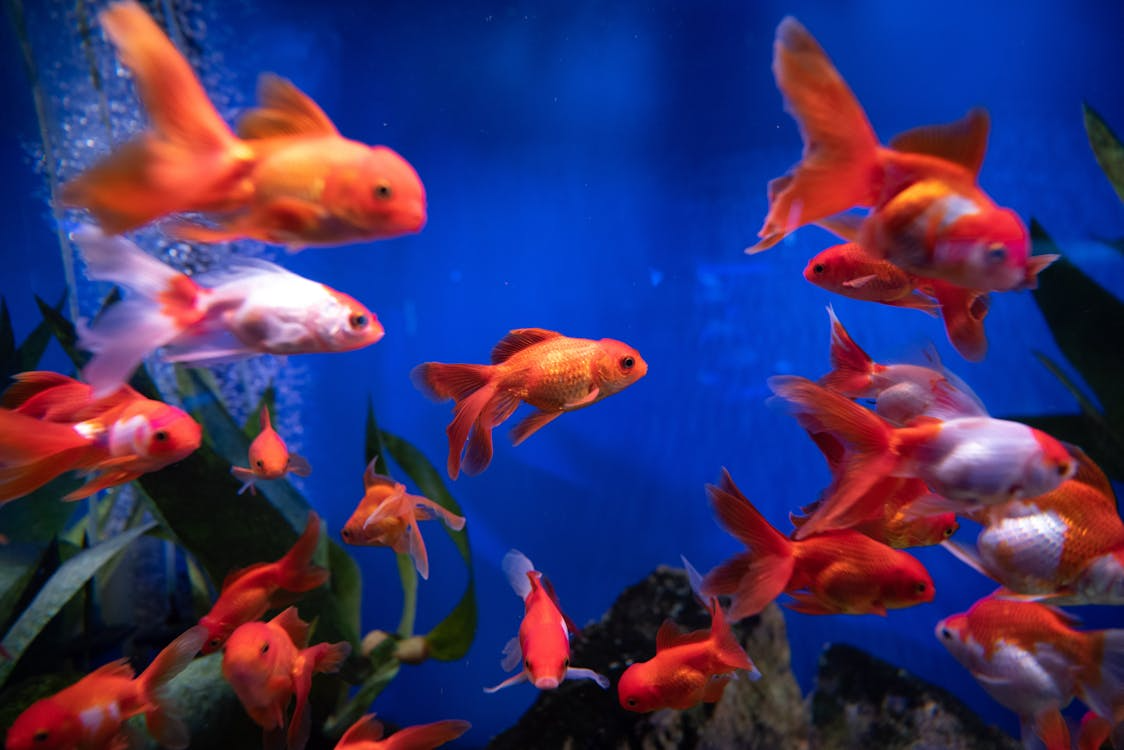
Different fish species need different properties in the water to live in aquariums. Depending on their natural habitats, some fish require soft, more acidic water; some need mineral-rich water; and others need saltwater. Key water parameters such as pH, general hardness (GH), carbonate hardness (KH), ammonia, nitrites, and nitrates must be considered and monitored regularly so that the fish can be healthy.
Tap water is generally not advisable for aquarium use; it often contains levels of chlorine and other chemicals or substances that are toxic to fish. Using non-purified water can therefore put fish health at risk and kill corals. Signs of poor water quality are:
- Cloudy water
- Excessive algae growth
- Mineral deposits on glass surfaces
- Fish gasping near the surface due to oxygen imbalance
- Bleached corals, or corals that remain closed
Safety in purity
Freshwater and saltwater fish, as well as other aquatic life, need purified water in an aquarium setup. They won’t swim in the purified water per se; rather, the purified water is the building block or blank canvas from which different aquatic habitats are recreated, for instance, by adding the appropriate amount of aquarium salt mix, carbonates, and bicarbonates.
Purifying water through reverse osmosis (RO) removes chemicals, minerals like calcium and magnesium that contribute to water hardness, metals, and microplastics. Deionization often takes place alongside RO to remove all contaminants present in the water, especially dissolved solids. The RO/DI process results in soft, unpolluted water, allowing aquarium owners to add select minerals that each kind of fish or coral requires to thrive, or adjust the water pH and other parameters.
Aside from purity, consistency is also critical. Sudden changes in pH or salinity can also be harmful to fish. Starting with purified water allows aquarium owners to control every parameter and maintain long-term stability.
We recommend doing a water test first before deciding on a purification system for aquarium use. Regular testing and maintenance ensure that pH levels, salinity, and mineral balance remain stable, preventing stress and sudden losses in fish or coral populations. We at Aquasafe help prepare the water for aquariums and support aquarium maintenance by updating RO/DI filters and modules.
For the right water specifications for your household or business, or for other inquiries, contact Aquasafe at inquiry@aquasafe.com.ph
(+632) 7004-7976, (+632) 8370-1473, (+63) 917-7959999, (+63) 922-8358523
43 Scout Madrinan, Barangay South Triangle, Quezon City, Philippines
