The Secret To Spotless Car Washes And A Showroom Finish
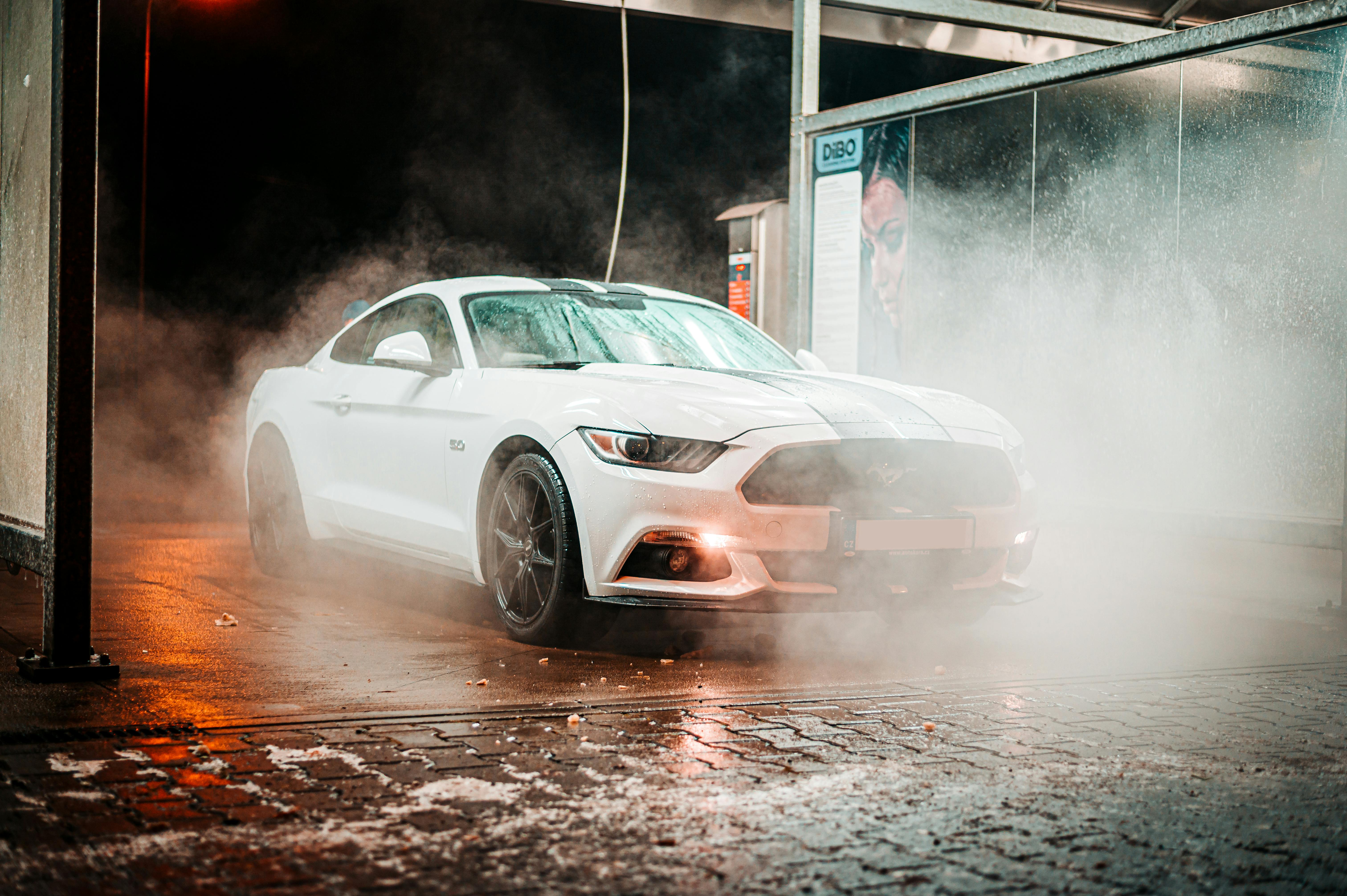
Customers of car washes expect a spotless, streak-free finish on their vehicles. This “showroom look” cannot be achieved without purified water.
Tap water generally contains the presence of minerals like calcium, magnesium, and silica. When used for rinsing, tap water, upon evaporation, leaves behind white spots, which are the minerals themselves. These mineral deposits can dull paintwork and polish and damage protective coatings. While it’s possible to use tap water to wash cars, in the hot Philippine weather, water evaporates fast so spots also form quickly. Car wash employees would have to act much quicker and use microfiber towels to ensure no streaks develop.
Alternatively, car washes use tap water for the main wash: to remove dirt, mud, and grease on the car’s surface. But the final rinse is with reverse osmosis (RO) or deionized (DI) water, as these won’t leave behind spots or streaks when the car dries.
Tailoring for purity
RO water and DI water are similar in that they have little to no dissolved solids like minerals anymore. RO water is water passed through semi-permeable membranes that remove around 98 percent of total dissolved solids (TDS). Meanwhile, DI water is water with near-zero TDS. It is achieved when water passes through an ion-exchange resin, which draws minerals to itself like a magnet. The resulting water is therefore highly pure.
Both RO and DI water reduce the drying labor of workers; protect paint, glass, and coating from mineral deposits; enhance the finish and gloss on cars; and save time in high-volume washes.
Between RO and DI water, RO water is more cost-effective and significantly lowers the risk of spotting on car surfaces. If a few spots form, they are lighter and easier to wipe off than tap water spots. DI water, on the other hand, is more expensive and requires frequent resin replacement if the water has high TDS; but it leaves no streaks behind after evaporation. With it, cars can be air-dried without spots.
For most car washes, RO water is good enough for their services and operations. Premium car washes may want a water system combining RO and DI to consistently guarantee a showroom finish.
Aquasafe can help design a water system that suits local water conditions and business needs. For the right water specifications for your business or other inquiries, contact Aquasafe at inquiry@aquasafe.com.ph
(+632) 7004-7976, (+632) 8370-1473, (+63) 917-7959999, (+63) 922-8358523
43 Scout Madrinan, Barangay South Triangle, Quezon City, Philippines
