Why Steam Boilers Fail Early, And How Proper Water Treatment Prevents It
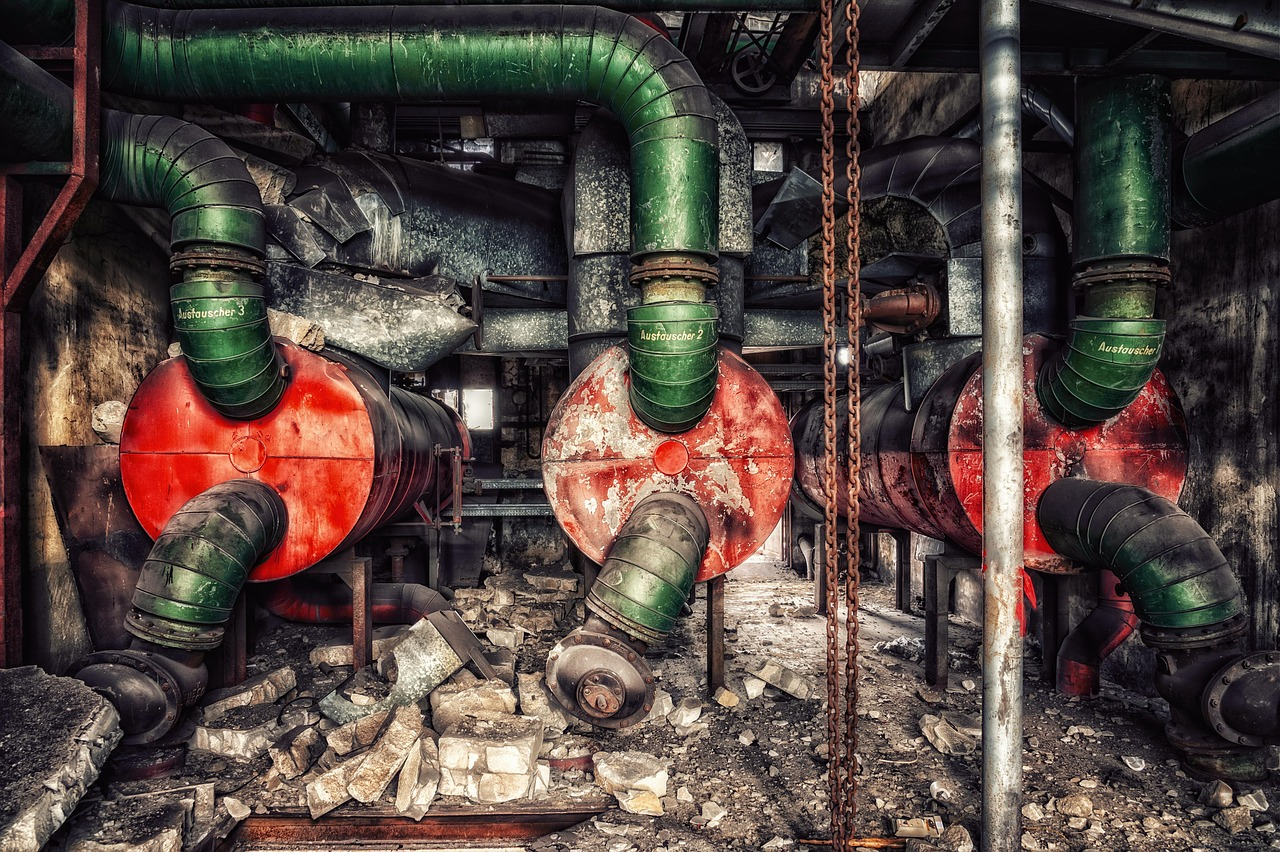
Poor water quality accelerates wear
Steam boilers power various industries like manufacturing facilities and food and beverage plants. Because they operate in high temperatures and pressure over long hours, common problems like scaling, corrosion, and fouling can arise due to poor water quality.
- Scaling occurs when hard mineral deposits build up on boiler tubes, heat exchangers, and internal surfaces. As it turns to steam, water leaves behind minerals that stick to hot metal surfaces. This is a problem. Like an insulator, scale blocks heat transfer, so the boiler must then burn more fuel to produce the same amount of steam. The presence of scale reduces efficiency and increases operating costs.
- A chemical attack, corrosion is caused by the water having dissolved iron (which oxidizes and produces rust), low pH levels, or high chlorides. The metal surfaces of boiler components become thin, pitted, and eventually fail. This is a problem as weakened metal components can increase the risk of leaks or ruptures, thus creating safety hazards for operators.
- Lastly, fouling, the accumulation of non-mineral contaminants on boiler surfaces, comes from suspended solids like dirt or silt and organic matter. These contaminate the water and become part of the boiler system. Their sticky or sludgy deposits negatively affect boiler performance and reliability by reducing heat transfer efficiency, producing uneven heat, and trapping corrosive chemicals onto metal surfaces.
All steam boilers wear over time. As metal expands and contracts when heated and cooled, minor thinning and cracking can happen due to thermal stress. Gaskets and seals degrade, in addition to other mechanical wear. With regular maintenance and monitoring, including proper water treatment, steam boilers can last for 15 to 20 years. Otherwise, they can fail twice as often and cut their lifespan in half.
Pure water prevents problems
At Aquasafe, we have various solutions to purify water and prevent different water-related issues for our clients operating steam boilers. To address factors that contribute to scaling, corrosion, and fouling, we can:
- Do chemical dosing to reduce water hardness, precipitate dissolved iron and other corrosive elements that react with oxygen, and remove silica from the water. This step prevents damage to reverse osmosis membranes and allows dissolved substances to be removed later. It also adjusts the water’s pH level.
- Do water softening to remove minerals that also contribute to water hardness and cause scaling: calcium and magnesium ions. This step prevents scale formation and protects boiler tubes, reverse osmosis membranes, and other equipment.
- Use pretreatment filters, like multimedia, activated carbon, and sediment filters, to trap precipitated or suspended minerals, organic compounds, and fine particles, removing them from the water.
- Install a reverse osmosis (RO) system. RO membranes remove total dissolved solids (TDS), including salts, minerals, and leftover contaminants.
- Conduct a blowdown to flush out concentrated minerals and other impurities remaining in the water.
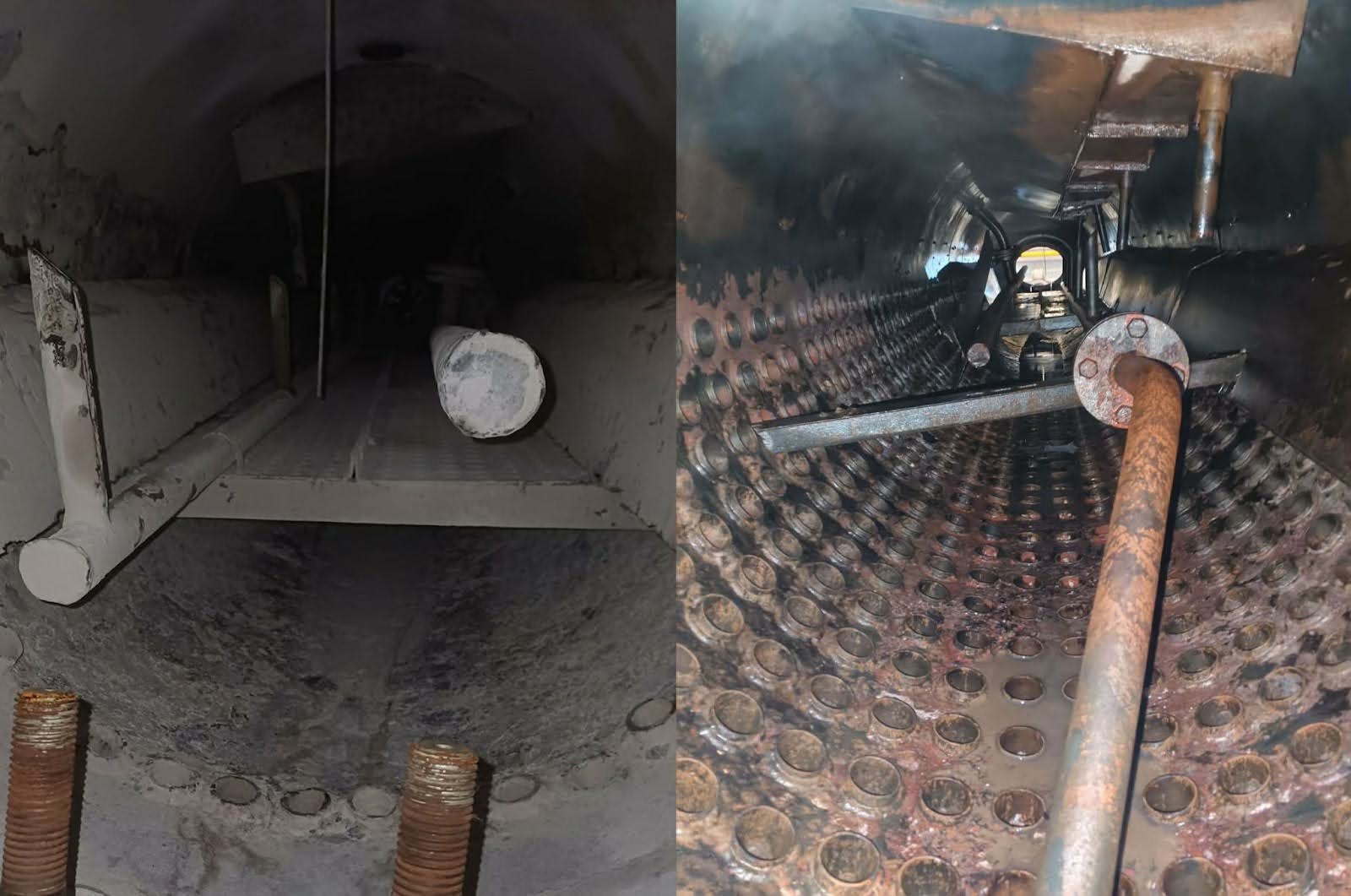
We recommend steam boiler operators periodically have their water tested in a reputable laboratory. From the lab test results, we can design the right water treatment system that also accounts for the volume of water being used. Furthermore, we support boiler operations by cleaning membranes and supplying chemicals and other key consumables on a yearly basis, at the very least.
The proper water treatment system ensures that steam boilers can function consistently, reliably, and safely for around two decades. Water is a critical raw material, so it must not be overlooked as it powers the most demanding industries.
For the right water specifications for your business or other inquiries, contact Aquasafe at inquiry@aquasafe.com.ph
(+632) 7004-7976, (+632) 8370-1473, (+63) 917-7959999, (+63) 922-8358523
43 Scout Madrinan, Barangay South Triangle, Quezon City, Philippines
